Low Light Does Not Mean No Light: Reading a Room Before You Buy
"Low light" is the most oversold phrase in houseplants. It does not mean a dark corner. It means a plant that tolerates less light than most - while still losing vigour as light drops. Nothing photosynthesises in the dark.
Read the room first
Light indoors falls off much faster than it looks like it should. Intensity drops with the square of the distance from the window: a plant two feet from the glass gets roughly a quarter of what a plant one foot away receives. Your eye adjusts and does not notice. The plant cannot.
Work out what you actually have:
- South-facing: the brightest exposure. Direct sun for much of the day.
- West: bright, with hard afternoon sun that can scorch.
- East: gentle direct morning sun. The easiest window for most houseplants.
- North: indirect all day, never direct. This is genuine low light.
Then account for obstructions. A north window with a porch roof over it, or a tree outside, is darker again.
The shadow test
At midday, hold your hand a foot above a sheet of white paper where the plant will live.
- Sharp, dark shadow - bright light.
- Soft shadow with defined edges - medium.
- Faint shadow, edges hard to find - low.
- No shadow at all - too dark for any plant. This is where a lamp goes, or nothing.
What low light actually changes
A plant in low light grows more slowly, needs less water, and needs no fertiliser for long stretches. Most low-light failures are really overwatering failures: the plant is using less, the soil stays wet, the roots rot. In a north room, cut your watering frequency roughly in half against what the same plant would want in an east window.
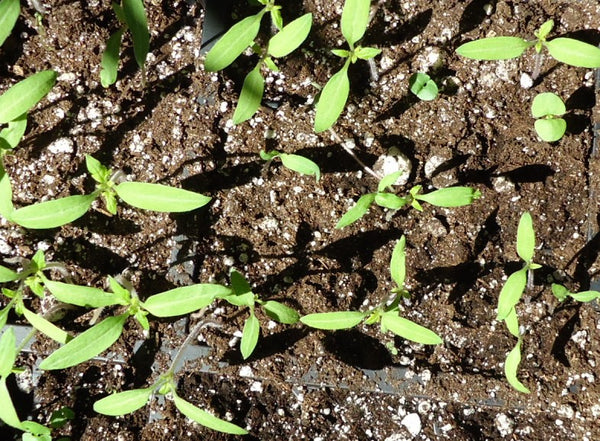
Expect stretching - longer gaps between leaves as the plant reaches. That is a light problem, not a water or feed problem, and more water will make it worse.
Plants that genuinely cope
Snake plant, pothos, ZZ plant, cast iron plant, Chinese evergreen and most philodendrons will hold condition in low light for long periods. Our Low Light collection is filtered to these.
What will not: anything variegated, which needs more light than its green form to hold the pattern, and most succulents and cacti, which come from the brightest places on earth and will stretch into something unrecognisable within a season.